“Something Wicked” Came…
The F-117 Shootdown

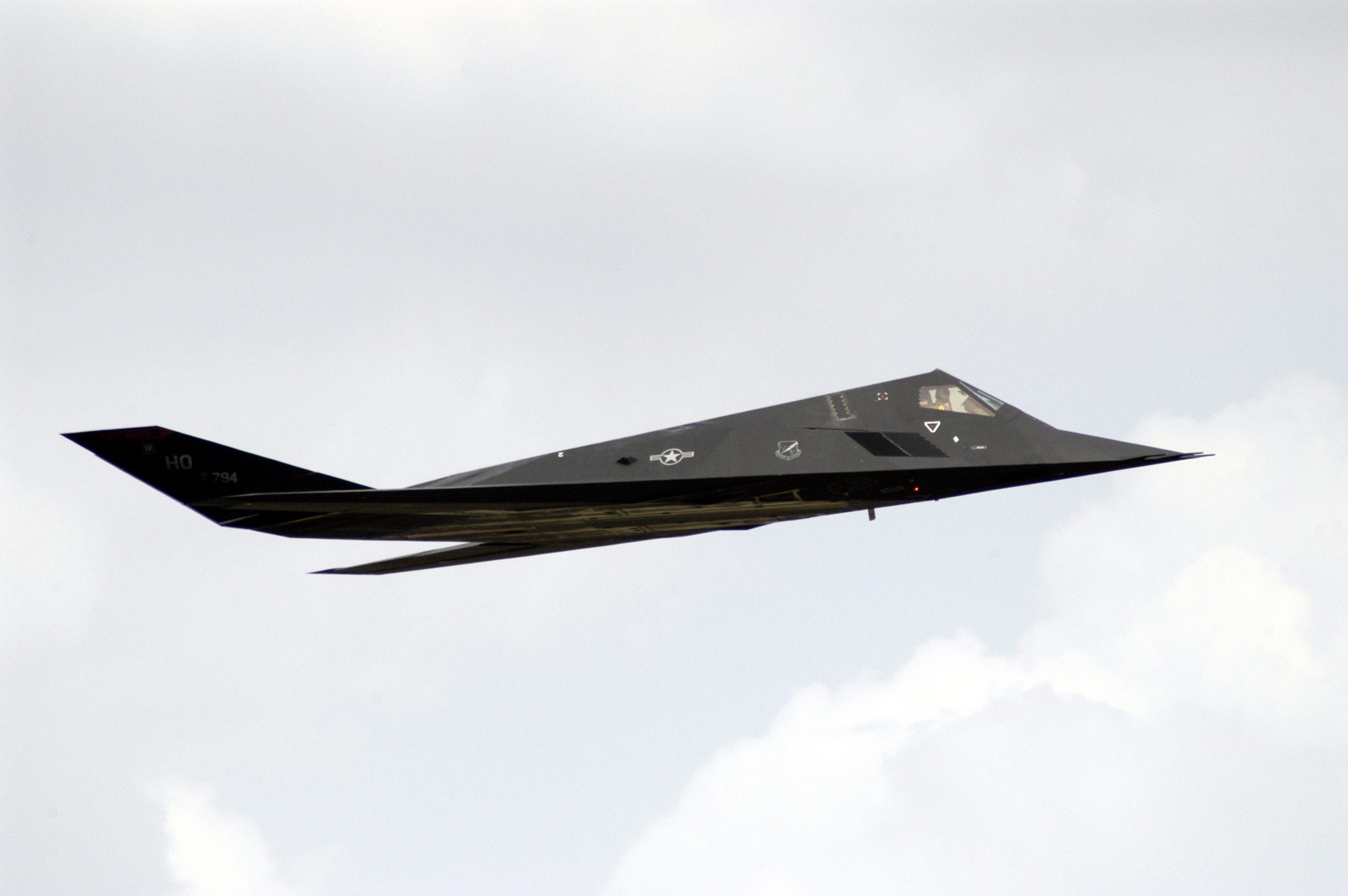
NATO would bring over 1,000 aircraft to bear on Yugoslav forces with Operation Allied Force on March 24th, 1999. This would be the first combat deployment of the B-2. In addition, the US would also use its highly advanced F-117 Nighthawk, which had previously seen combat in Panama, Iraq, and Afghanistan. But for the first time in its operational history, the Nighthawk would be shot down.
Three days later, on March 27th, the 250th Air Defense Missile Brigade of the Yugoslav Army had been deployed to the area around Buđanovci in what is now Serbia. Col. Zoltan Dani, a former baker, had drilled his men to operate their assigned SAM battery on the move, thus reducing the chance of being targeted by NATO HARM missiles. Also, Yugoslav signals units had recently been able to break into NATO radio channels and had ascertained some of the basic flight patterns of their aircraft. In addition, bad weather had recently grounded NATO’s radar-jamming EA-6B Prowlers. These conditions would come together to create the perfect setup for the shootdown of an F-117.
The night of March 27th, Lt. Col. Dale Zelko, a veteran of the Gulf War, would spot two burning dots rising from the clouds. They would then approach his aircraft at over three times the speed of sound. These burning dots were, in fact, Soviet radar-guided missiles fired from the back of a Soviet S-125 “Neva” SAM system. The system itself dated back to the 50s and 60s. One missile zoomed past, while the other detonated close to the aircraft. The blast was close enough to cause Zelko to lose control of the aircraft. Zelko was able to safely eject and was later picked up by Air Force search and rescue. The Nighthawk would crash around the town of Buđanovci. After an unsuccessful attempt by the US Air Force to destroy the wreckage, it was recovered by Yugoslav forces within a few hours.
At the time, this was an obviously embarrassing moment for the US Air Force, and a clear propaganda victory for Belgrade. But as time went on, this incident would become a minor footnote in an otherwise strong showing for NATO, and would not save Milošević from the Bulldozer Revolution. The incident would become a case study for counter-stealth tactics for years to come. Indeed, some of the methods used by Dani had already been tried, specifically low-frequency radar. But never had it been employed to such a spectacular effect. The F-117 flew for another decade after that night, finally retired in 2008, and was replaced by the F-22 and later the F-35. The wreckage was shipped to Russia and China. Zelko and Dani became friends. And somewhere in the design files of the Su-57 and J-20, there may be a quiet debt owed to one Serbian baker with an old Soviet missile and very good timing. Oh, and Dani went back to his baking profession after the war.

https://nationalinterest.org/blog/reboot/f-117-stealth-fighter-how-symbol-us-air-power-was-shot-down-209642
https://theaviationist.com/2024/03/27/25-years-ago-today-an-u-s-f-117-stealth-jet-shot-down-over-serbia/
Great work!
What makes cases like this incredibly interesting is the gap between narrative escalation and lived interaction.
Even where stories move toward clear lines of identity and conflict, reality often remains far more entangled and resistant to such framing.